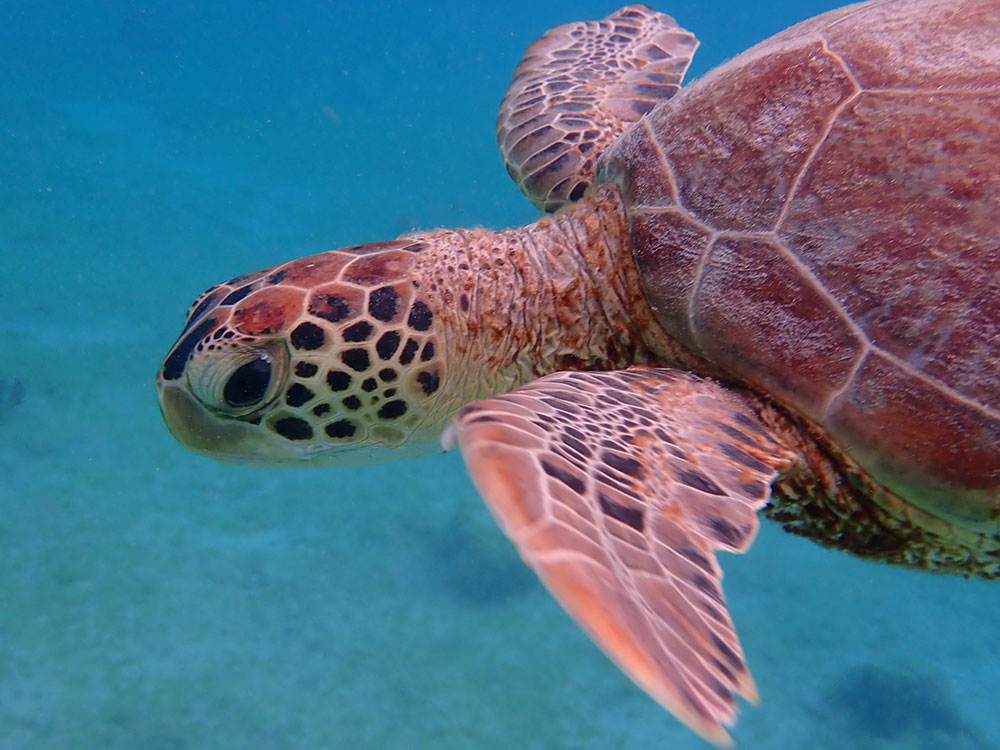
The world has seven species of sea turtle, in Bonaire, we are fortunate enough to have 3 of the most critically endangered the Green, Hawksbill and Loggerhead grace our waters!
Sea Turtles are ancient animals that have been around for millions of years, and continual create magical moments for those luckily enough to cross paths with them.
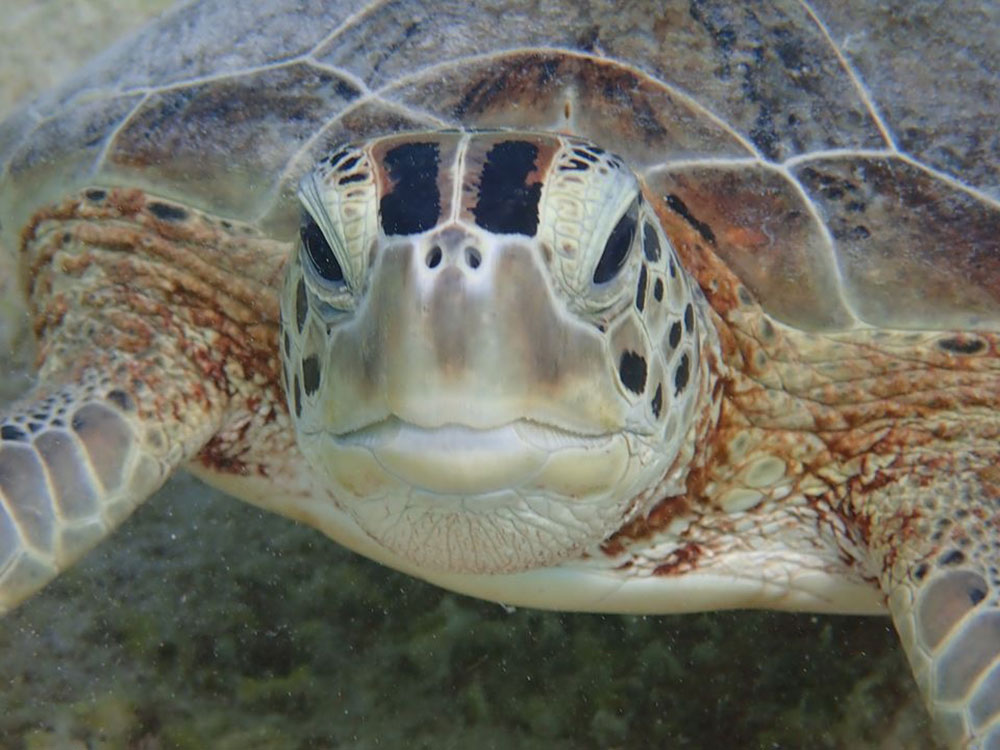
Nesting season for turtles begins in April and spans till January, and it takes about two months for their eggs to hatch. The staff of the Sea Turtle Conservation Bonaire (STCB) will patrol the beaches during the season and will monitor the nests to try ensure the safety of the Sea Turtles.
Bonaire is a very attractive nesting option for the Sea Turtles, as both the island of Bonaire and it’s islet Klein Bonaire, have extensive near-shore reefs, areas of shady beaches and rich sea grass beds which are a perfect nesting and foraging environment for the turtles.
STCB has recently completed a survey, which ran from 2003 to 2018, which thankfully has indicated stable numbers of Sea Turtles in the region with an estimate of 500 Green and 70 Hawksbill Sea Turtles. They plan on continuing their research on Bonaire’s East coast this year!
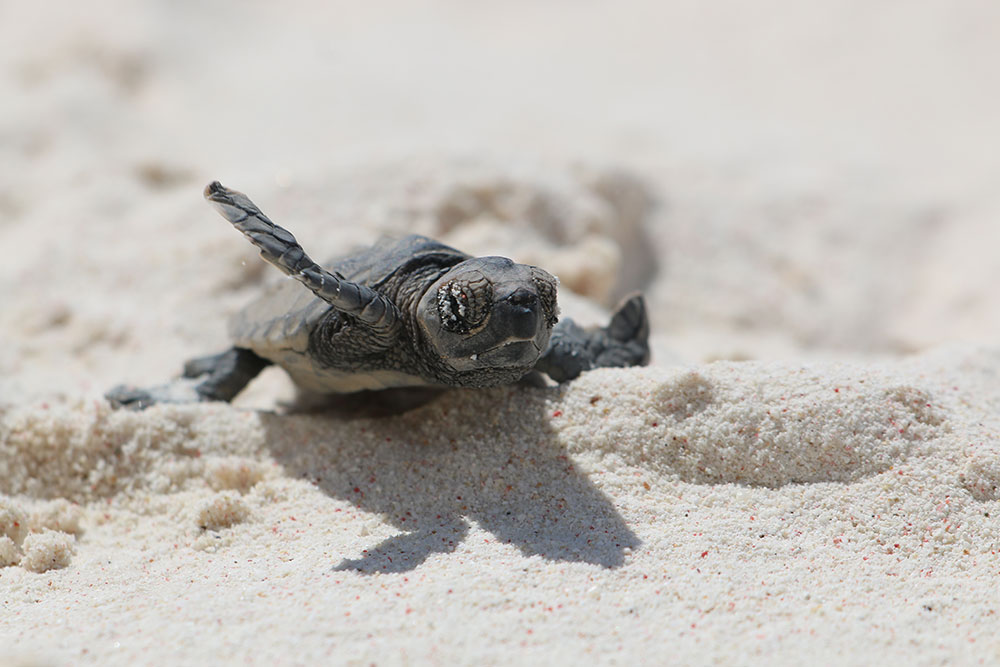
The Sea Turtles opt to make their nests on the Northeast coast of Klein Bonaire, around the “No Name” beach area. The natural importance of this nesting area aided in the efforts of the “Foundation Preservation Klein Bonaire” in purchasing the islet from its private owners in 1999.
Each of the turtles lays around 120-160 eggs per nest. The baby turtles face many dangers upon hatching from predators such as ghost crabs, fish and birds. STCB managed to recently help guide 106 baby Hawksbill turtles to sea, whilst digging up a further 36 from a nest which they also assisted in safely reaching the ocean.
Interesting turtle facts!
• Turtles evolved hundreds of millions of years ago. These ancient reptiles have lived on earth since the time of the dinosaurs.
• Female turtles typically lay up to six 'clutches' of over 100 eggs.
• The temperature of the sand around a nest determines whether baby turtles, known as 'hatchlings', will be male or female. Colder temperatures produce males, whereas warmer temperatures produce females.
• Hatchling turtles always return to the beaches where they were born to nest.
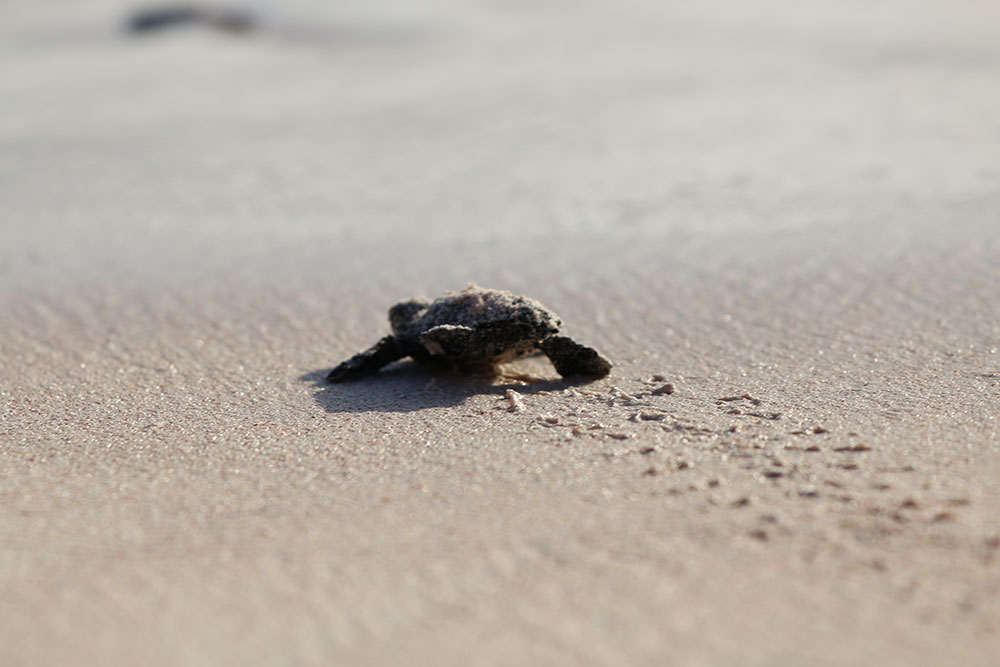
• Baby turtles hatch from their nests at night and race to the sea by moonlight. Lights near the beach should be turned off during the summer so turtles do not go in the wrong direction.
• It may take decades for green and loggerhead turtles to mature in the wild.
• In some parts of the world, loggerhead and green turtles are hunted for meat, and their eggs are taken from nesting beaches. Today, both species are considered endangered.
• Sea turtles may be able to live for up to 100 years.
• Turtles drink saltwater and get rid of extra salt through special glands in their eyes.